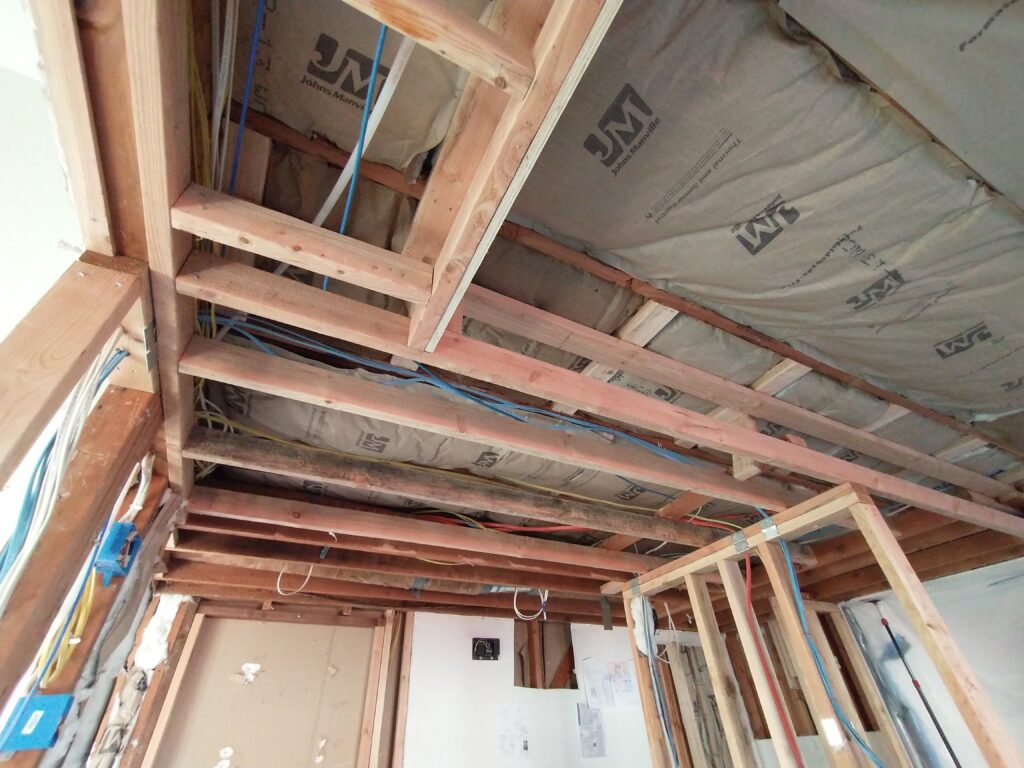
Quick answer: Before hiring, ask each contractor for a written plan explaining how your household will function without the kitchen: where you will prepare food, which utilities remain available, how workers will separate the work area, and when you may need to leave. Make these arrangements part of the agreed scope—not promises to resolve after demolition.
Your first step: Prepare a one-page household requirements sheet and give the same version to every contractor bidding on the project.
This guide is for US households. Permit, licensing and contract requirements depend on your state and locality; confirm them with the relevant licensing authority and local building department.
1. Decide what would make staying home impractical
Start with your household’s minimum requirements, then ask contractors whether their proposed work sequence can meet them.
Identify:
- A bathroom and handwashing facilities that must remain accessible.
- A clean place to store food, prepare meals and eat.
- Routes between bedrooms, bathrooms and exits that do not cross the work area.
- Any accessibility needs or essential electrically powered equipment.
- Rooms needed for children, pets or working from home.
- Conditions that would trigger a temporary move elsewhere.
Ask: “Which stages of this particular remodel would you advise us not to occupy the house during, and why?”
Follow with: “What would need to change before we could return?”
EPA recommends keeping occupants, particularly children, away from renovation work areas and cleaning those areas before they return. It also notes that high-dust work may require complete isolation from occupied rooms. Staying home therefore needs a project-specific separation plan, not simply a promise to clean afterward. (epa.gov)
Do not treat “you can stay” as confirmation that every room will remain usable. Ask the contractor to mark occupied rooms, restricted areas and worker routes on a simple floor plan.

2. Confirm appliance dependencies before approving demolition
Do not rely on a general appliance lead-time estimate. Ask for availability information for the actual models you have selected, with the date that information was checked.
Your appliance list should identify:
| Item to confirm | Question to ask |
|---|---|
| Model and specifications | Has the designer or installer checked the exact installation instructions? |
| Availability | Is this item allocated to our order, or is the date only an estimate? |
| Delivery | Who schedules it and receives the shipment? |
| Installation | Is installation included, and who performs it? |
| Storage | Where will an early delivery be protected without blocking household access? |
| Delay or damage | What work pauses, and what temporary arrangement continues? |
Whirlpool’s delivery guidance distinguishes delivery, installation and haul-away services; one does not necessarily include the others. It also advises checking the appliance opening, transport route and utility requirements. Apply those checks using your own manufacturer’s instructions and supplier’s terms. (whirlpool.com)
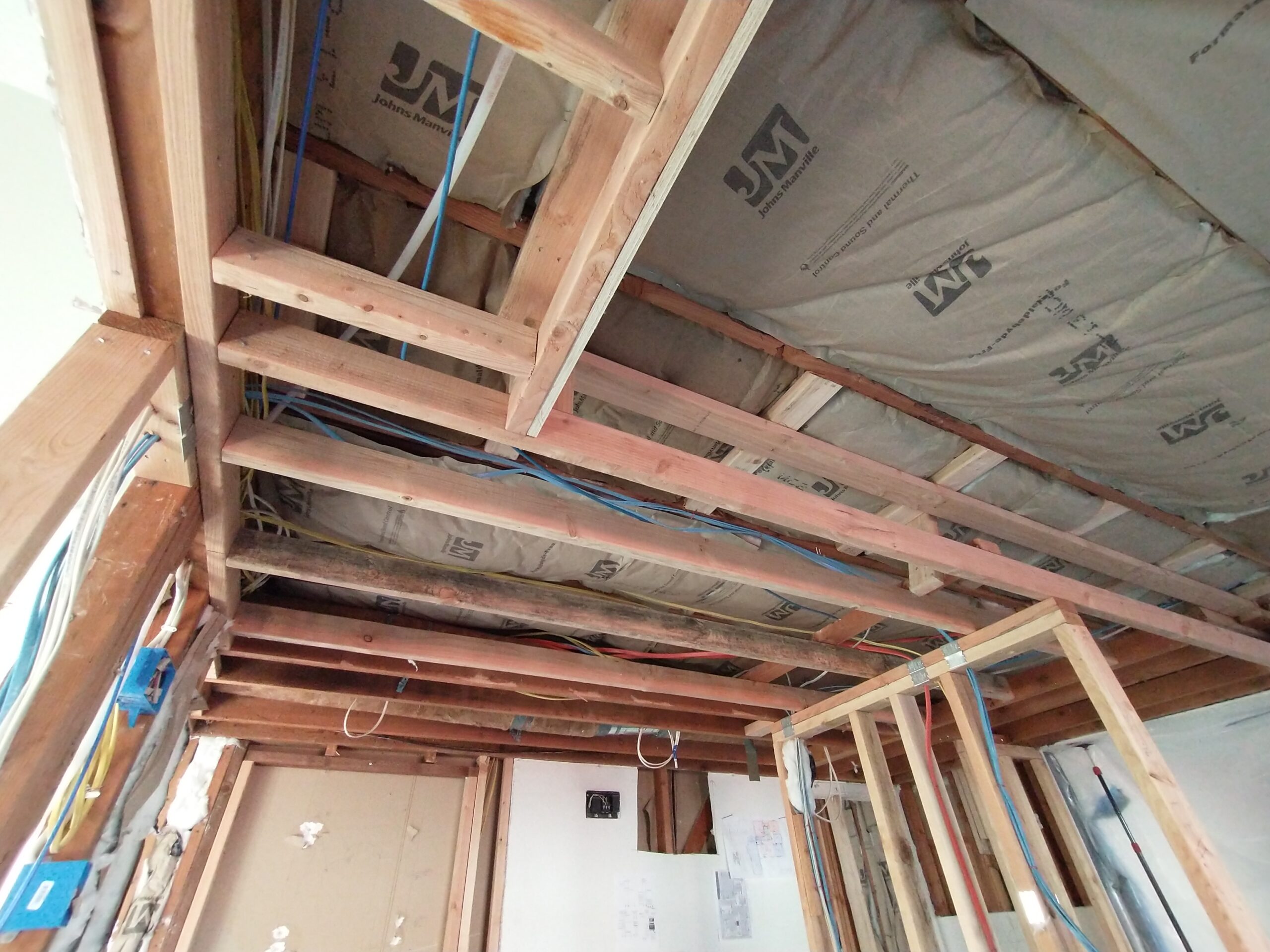
Ask: “Which materials or appliances must be confirmed before you remove our existing kitchen?”
Then request a sequence showing when refrigeration, cooking and sink use stop and resume. Avoid approving an appliance substitution until the contractor has checked its fit and connection requirements.
No universal remodel duration or current appliance lead time is assumed here. Obtain dated, order-specific information.
3. Plan a temporary kitchen around meals you can actually prepare
Choose the temporary cooking location before signing. Ask the contractor to review it for separation from construction, suitable utilities and interference with worker access.
Plan for five functions:
- Refrigeration.
- Food preparation.
- Cooking or reheating.
- Handwashing and dishwashing.
- Food and waste storage.
Write a realistic meal plan around the equipment that can safely operate there. If dishwashing is limited, simplify meals rather than assuming a bathroom sink will replace a kitchen sink. Ask which clean water source and washing arrangement will remain available.
Have an electrician confirm that the intended appliances can use the available circuits. The US Fire Administration advises plugging refrigerators directly into wall outlets, avoiding overloaded outlets, and never using extension cords for cooking appliances. (usfa.fema.gov)
Follow appliance instructions for placement and clearance, and keep packaging and other combustible materials away from cooking equipment. USFA specifically warns against combustible items near stovetops. (usfa.fema.gov)
Do not bring an outdoor barbecue inside as a substitute stove. USFA says propane, charcoal and wood-pellet barbecue grills belong outside; indoor use can cause fire or carbon monoxide poisoning. (usfa.fema.gov)
Budget separately for the meal arrangements you choose, without assuming takeout will be your only option.
4. Require a utility-interruption plan
“Some water and power interruptions” is too vague to plan around. Ask the contractor to distinguish kitchen-only interruptions from shutdowns affecting the whole home.
For each expected interruption, request:
- The affected rooms, outlets or fixtures.
- The anticipated shutdown window.
- How much advance notice you will receive.
- Who confirms restoration.
- What happens if the work takes longer than expected.
Ask specifically about the refrigerator, toilets, hot water, laundry, internet equipment and any essential household equipment. Do not assume an outlet outside the kitchen is on an unaffected circuit; have the electrical contractor confirm it.
For refrigeration, use an appliance thermometer. FDA recommends a refrigerator temperature at or below 40°F and says an unopened refrigerator keeps food cold for about four hours during an outage. It recommends having coolers available when power will be out longer. That guidance is a contingency measure, not a reason to leave the refrigerator disconnected routinely. (fda.gov)
Practical check: Before the scheduled shutdown, confirm which refrigerator will operate, where it will be connected, and who is responsible for moving it.
If power fails unexpectedly, record when it stopped and follow FDA’s food-safety guidance. Do not judge food safety by smell or appearance alone. (fda.gov)
5. Ask how dust and other pollutants will be separated
Ask for an explanation of containment, ventilation and cleanup—not just “we put up plastic.”
Useful questions include:
- Where will the work-area boundary be?
- Will workers enter through occupied rooms?
- How will demolition dust be kept from spreading?
- How will heating and cooling openings serving the work area be handled?
- Where will cutting and sanding happen?
- What cleanup occurs before workers leave?
- Who decides when occupants may re-enter?
EPA recommends barriers and ventilation to limit pollutant spread. It also warns that exhaust ventilation can create combustion-appliance backdrafting under some conditions. Have the contractor explain the ventilation approach rather than improvising fans yourself. (epa.gov)
For a pre-1978 home, raise lead-safe renovation before hiring. EPA explains that disturbing lead-based paint can create hazardous dust and recommends an EPA- or state-certified lead-safe contractor. Ask the firm to explain how the applicable requirements affect your kitchen project and household access. EPA consumer guidance
Do not accept an ordinary dust-control promise as a substitute for lead-safe procedures. EPA expressly distinguishes general remodeling practices from the special procedures required for disturbing lead-based paint. (epa.gov)
6. Agree on worker access, children, pets and work-from-home needs
Walk through the property together and identify the worker entrance, delivery route, material storage, debris route and any bathroom workers may use.
Agree on:
- Arrival and departure arrangements.
- Who may hold keys or access codes.
- How doors and gates will be secured.
- Which rooms are off limits.
- Where tools and materials may remain overnight.
- How household routes and exits will stay unobstructed.
For children, ask: “How will you restrict access when adults are distracted or doors are open for deliveries?”
For pets, identify a secure room or off-site arrangement. State who is responsible for relocating the animal before workers arrive; do not leave this as an informal expectation.
For someone working from home, ask:
- Which activities are likely to be especially noisy?
- How much notice can you give before those activities?
- Can we request quiet periods, and can you realistically honor them?
- Will planned outages affect our workspace?
Avoid asking for an uninterrupted workday if the contractor cannot commit to one. Arrange alternative workspace for activities the household cannot accommodate.
California CSLB’s contract guidance specifically recommends documenting instructions about pets, children and areas where materials may not be stored. This is a useful planning practice, although California’s legal contract rules should not be assumed to apply nationwide. CSLB contract guidance
7. Give every bidder the same household requirements sheet
Use this sample as a starting point. The entries below are illustrative planning requirements, not a completed project or promises a contractor has accepted.
| Household requirement | Proposed arrangement | Contractor must confirm |
|---|---|---|
| Remain in the house where feasible | Bedrooms and bathroom remain occupied | Stages requiring occupants to leave |
| Clean meal preparation | Temporary station in a separate room | Separation and suitable electrical supply |
| Refrigerated food storage | Retain existing refrigerator temporarily | Location, connection and moving responsibility |
| Child access control | Kitchen remains off limits | Work-area access restrictions |
| Pet security | Pet stays in a designated closed room | Door and gate procedures |
| Working from home | Household has scheduled morning calls | Noise notice and realistic quiet periods |
| Water availability | Preserve bathroom use where feasible | Whole-house shutdowns and notice |
| Communication | One household contact receives updates | Named contractor contact and update method |
Worked example: Suppose your chosen range has an unconfirmed delivery date, but the household needs dependable meal preparation.
Do not simply request a faster finish. Ask the contractor to explain whether demolition should wait or whether an acceptable temporary cooking arrangement can continue until installation. Confirm who handles delivery and installation, and verify the temporary electrical setup.
Record the decision and its implications for access, cost and schedule before approving the start. This resolves a household requirement without inventing a delivery date or guaranteeing completion.
8. Put commitments in writing and check them before work starts
Choose one household decision-maker and ask for one contractor contact responsible for daily coordination.
Request a brief update covering:
- Work planned next.
- Expected noise, dust or utility interruptions.
- Deliveries and subcontractor visits.
- Decisions needed from you.
- Changes to access or the schedule.
Specify how urgent problems should be reported and what response arrangement the contractor can commit to. Separate routine updates from emergencies.
Put agreed household arrangements into the contract or an attached, agreed document. California CSLB advises including the work, materials, timing, permits, cleanup and special requests in writing; its guidance also stresses documenting verbal promises. Local legal requirements differ, so check your jurisdiction rather than copying California rules. CSLB contract guidance
Before demolition, walk through the plan and confirm that:
- The temporary meal area is ready.
- Appliance ordering responsibilities are clear.
- Worker and household routes are agreed.
- Access restrictions and storage locations are identified.
- Utility interruptions have a notification process.
- Cleanup responsibilities are written down.
- You understand when you may need alternative accommodation.
The common mistake is hiring on price and a finish date while leaving daily-life arrangements unresolved. Ask every bidder to explain these arrangements. Compare what each has actually included, then hire only after the important unknowns have an owner and a clear next step.